
Are you tired of your indoor space feeling bland and lifeless? If so, you’re not alone. Many of us crave a vibrant, refreshing atmosphere that brings a touch of nature indoors. After diving into the world of indoor plant styling, I noticed just how transformative plants can be for any room. That’s why I created this guide to help you elevate your home decor with stunning indoor plants that will make your guests green with envy!
If you love home decor and want to add more life and charm to your space, this post is for you. Whether you have a green thumb or are just starting your plant journey, these indoor plant styling tips will help you create a lush and inviting environment. You’ll find practical advice on selecting the right plants, styling them effectively, and maintaining that fresh, indoor vibe you desire.
Get ready to discover 13 home plant styling tips that are creative, simple, and guaranteed to impress anyone who steps through your door. By the end of this guide, you’ll be equipped with fresh ideas to beautify your home and showcase your personality through your plant choices.
Key Takeaways
– Choose the Right Plants: Selecting plants that thrive in your specific environment can make a significant difference in how they complement your decor. Consider factors like light, space, and your care routine.
– Create Levels and Layers: Adding height variation with plant stands or shelves creates visual interest. Layering plants allows you to showcase their unique shapes and sizes.
– Use Decorative Pots: Stylish pots can enhance the beauty of your plants. Choose colors and materials that match your home’s aesthetic for a cohesive look.
– Incorporate Natural Elements: Pairing plants with natural materials like wood or stone can enhance the overall design. This connection with nature creates a warm, inviting atmosphere.
– Embrace Minimalism: Sometimes, less is more. Focusing on fewer plants in strategic locations can allow each piece to shine while maintaining a clean and organized space.
1. Choose the Right Plants for Your Space
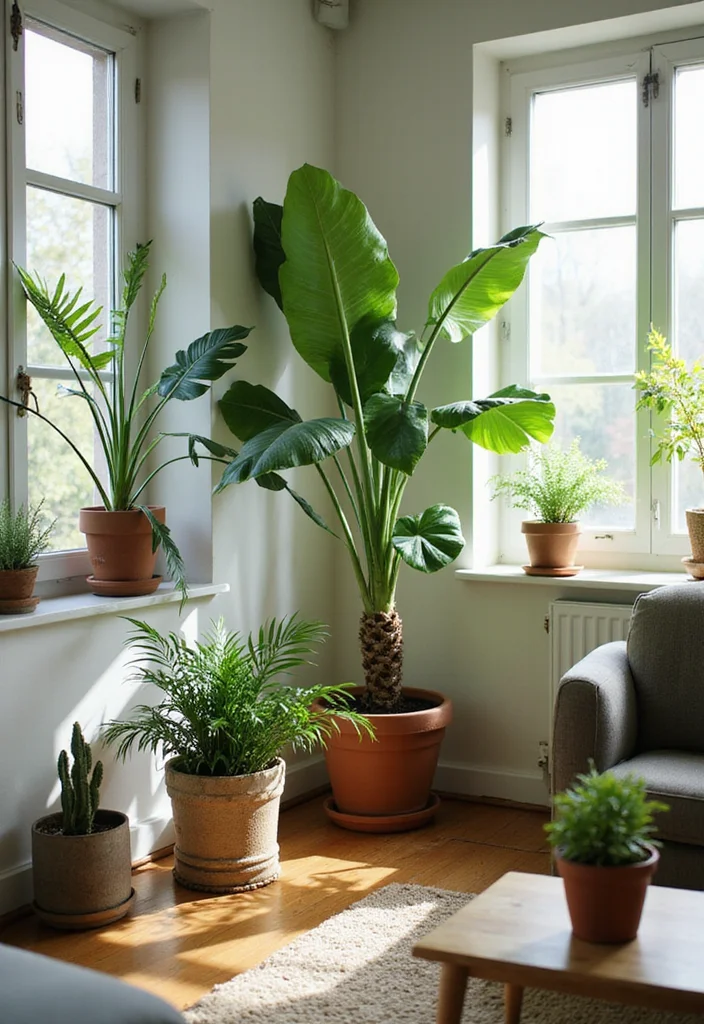
When selecting plants for your home, consider the unique characteristics of your space. The right plants create a sense of balance and harmony, making your environment feel welcoming and vibrant. For instance, if your area is low on natural light, go for resilient options like pothos or snake plants. In brighter spots, succulents and monstera can thrive, adding lushness and beauty to your decor.
To ensure your plants flourish, assess their size and placement within the room. Large specimens like fiddle leaf figs can become stunning focal points in spacious areas, while smaller plants enhance cozy spots on shelves or side tables. Finding the right plants is key to establishing a lively and inviting atmosphere.
Consider these tips for selecting your ideal plants:
– Pair low-light plants with bright, sunny spaces.
– Incorporate local nurseries for unique finds and support.
– Research plant care needs to match your lifestyle and keep them thriving.
Choosing the right plants not only beautifies your home but also fosters a sense of calm and connection to nature.
2. Create Levels and Layers
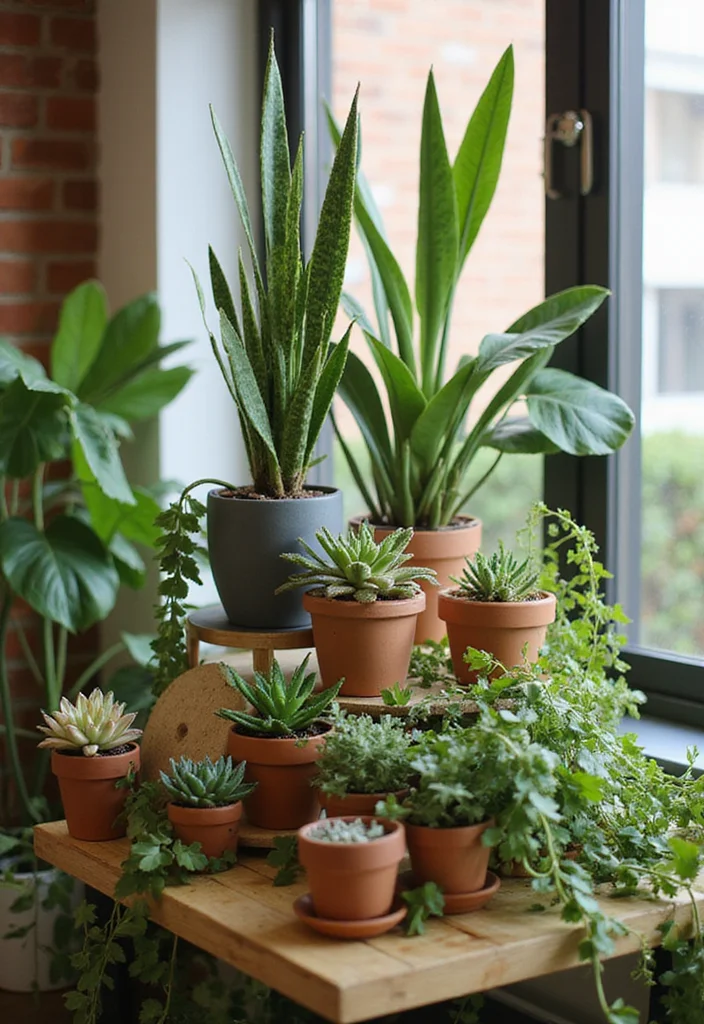
Creating levels and layers with your indoor plants can significantly enhance the visual appeal of your decor. Elevating plants on stands or shelves not only highlights their beauty but also adds depth and interest to your space. For example, placing a tall snake plant on a pedestal surrounded by smaller succulents creates an engaging focal point.
Experimenting with varying heights can further enrich your arrangements. Try stacking books under smaller pots or using different pot sizes for an unexpected twist. This layering technique invites the eye to explore your plant display and makes the overall look more dynamic.
Here are some practical ways to create levels:
– Install plant stands for varied heights and visual interest.
– Use cascading plants to soften the edges of arrangements.
– Arrange succulents in diverse pot sizes for a playful effect.
This layered approach contributes to a lush, inviting atmosphere while showcasing the unique beauty of each plant.
3. Use Decorative Pots
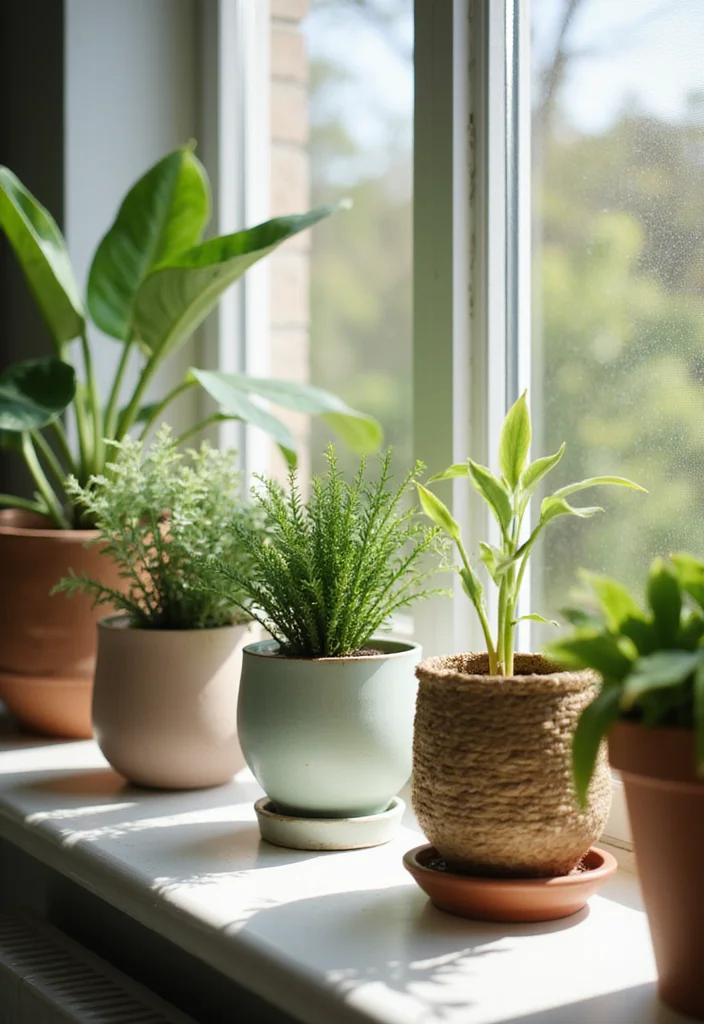
Decorative pots can dramatically change how your plants enhance your home. Choosing stylish pots that resonate with your decor style, whether it’s rustic terracotta or sleek ceramic, can elevate your indoor space. Mixing different styles of pots adds a playful element to your plant displays, while also allowing each plant’s individual character to shine through.
It’s essential to select appropriately sized pots to support healthy plant growth. Overly small pots can stunt development, while excessively large pots might drown roots in too much soil. Ensuring the right balance fosters a thriving green environment.
Consider these tips for choosing pots:
– Use bold colors to create striking contrasts in neutral spaces.
– Pair textured pots with smooth ones for visual variety.
– Swap out pots seasonally to refresh your decor effortlessly.
Choosing the right pottery not only enhances your plants but also contributes to a beautifully curated home environment.
4. Hang Plants for Visual Interest
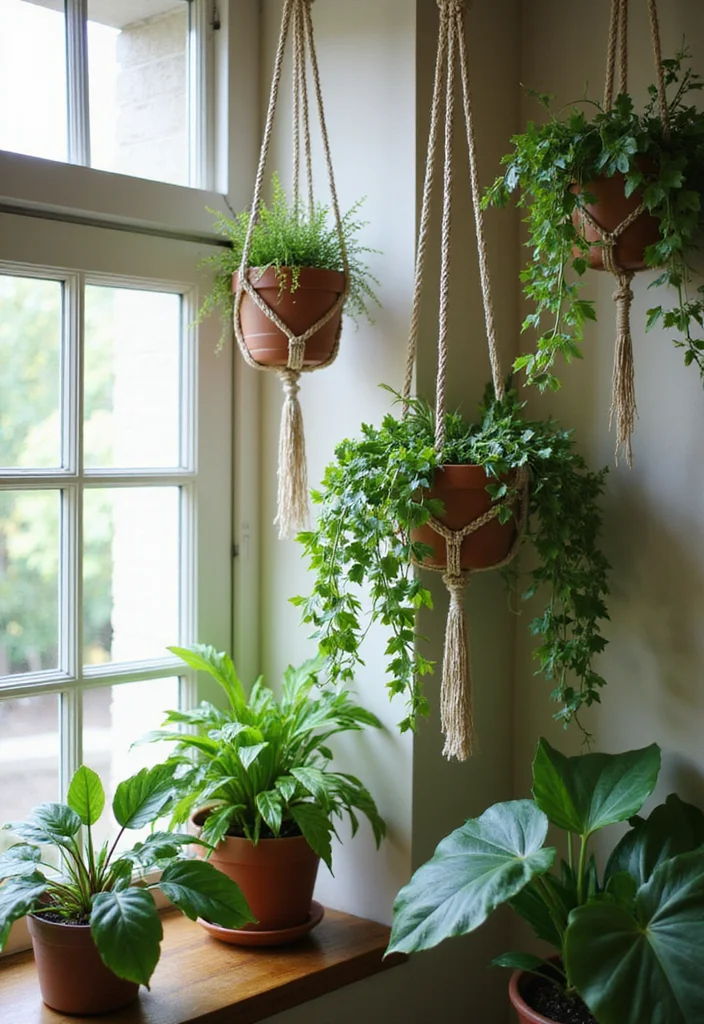
Hanging plants are a delightful way to introduce greenery without sacrificing precious floor space. Utilizing macramé hangers or decorative holders allows you to suspend plants like spider plants or philodendrons from ceilings or walls, creating an engaging visual experience. This technique lifts your plants to eye level and adds an intriguing dynamic to your decor.
Mixing hanging plants with potted ones at various heights enriches the layered feel of your space. Consider using window hooks to let your plants bask in sunlight while enhancing their beauty.
Try these hanging plant tips:
– Choose trailing plants to create a stunning cascading effect.
– Hang near windows for optimal light and a refreshing ambiance.
– Use a corner space for a mini garden combining hanging and potted plants.
Incorporating hanging plants not only optimizes your space but also adds a unique touch to your overall decor.
📹 Related Video: How To Hang Houseplants! | BEST Hanging Indoor Plants!
5. Create a Focal Point
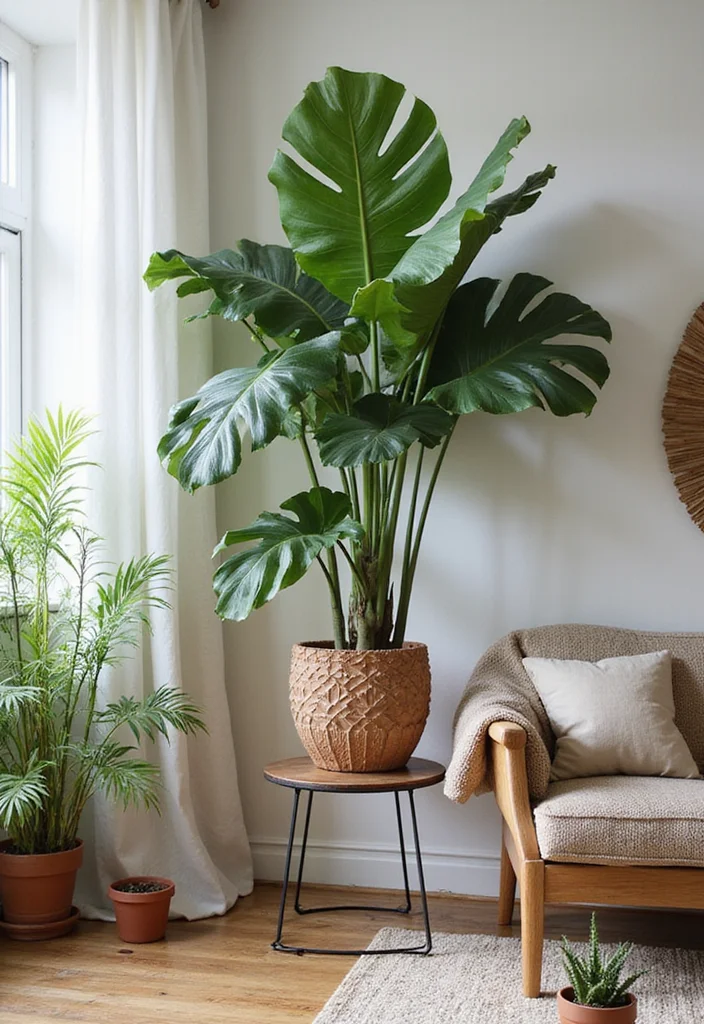
Every stylish room thrives on a focal point, and your plants can take center stage. Selecting a couple of statement plants, like a tall Monstera or a vibrant tropical palm, positioned prominently can enhance the overall decor. Placing them where they can easily attract attention, such as near an entryway or beside a prominent piece of furniture, draws the eye and creates a welcoming atmosphere.
Surround these focal plants with lower-profile greenery to achieve a layered effect that allows the larger plants to shine. This not only enhances your decor but also cultivates a relaxed, natural vibe throughout your space.
Consider these suggestions for creating focal points:
– Use tall plants in corners to emphasize height and space.
– Group smaller plants with focal points for a cohesive arrangement.
– Select bold planters to amplify the impact of your statement plants.
Establishing clear focal points not only beautifies your home but also brings a sense of order and style.
6. Incorporate Natural Elements
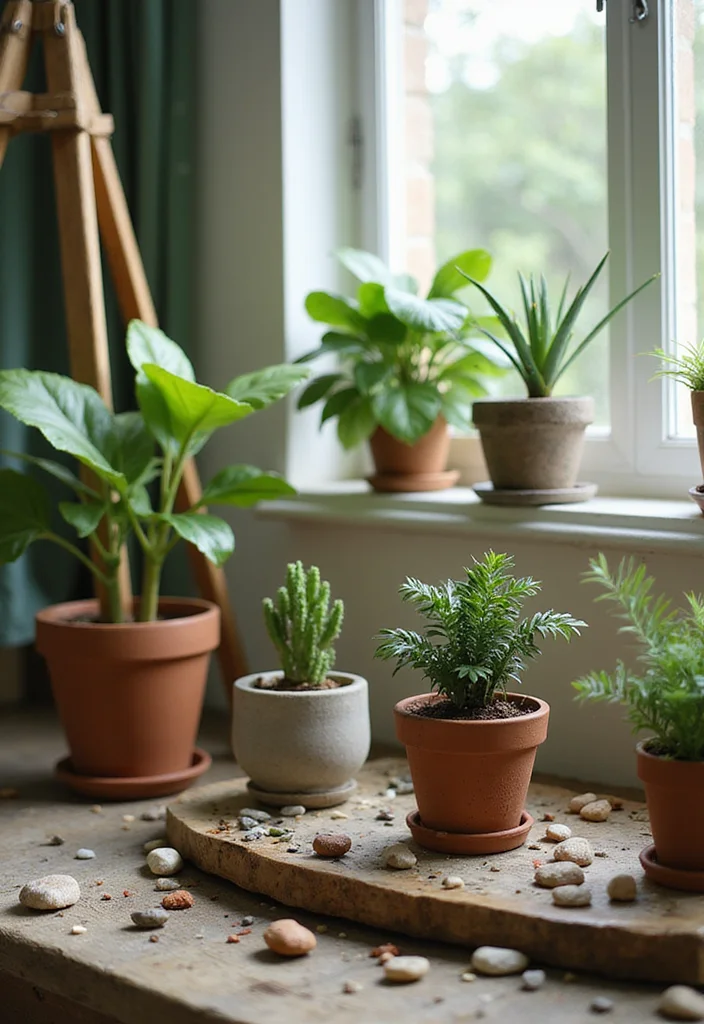
Integrating natural elements into your plant decor introduces warmth and texture to your environment. Using materials like wood, stones, or bamboo can enhance your plant arrangements. For instance, placing small pots on a reclaimed wood tray or surrounding larger pots with decorative stones creates an earthy and inviting feel.
Utilizing wooden stands or crates to elevate your plants not only adds functionality but also contributes to a stylish look. By merging natural materials with your greenery, you cultivate a harmonious atmosphere that feels grounded and alive.
Explore these ideas for incorporating natural elements:
– Combine various textures for added visual depth.
– Use driftwood or branches as creative plant supports.
– Create a mini rock garden with succulents and pebbles for an eye-catching display.
By embracing natural elements, you enrich your plant decor and foster a serene living space.
7. Group Plants by Type
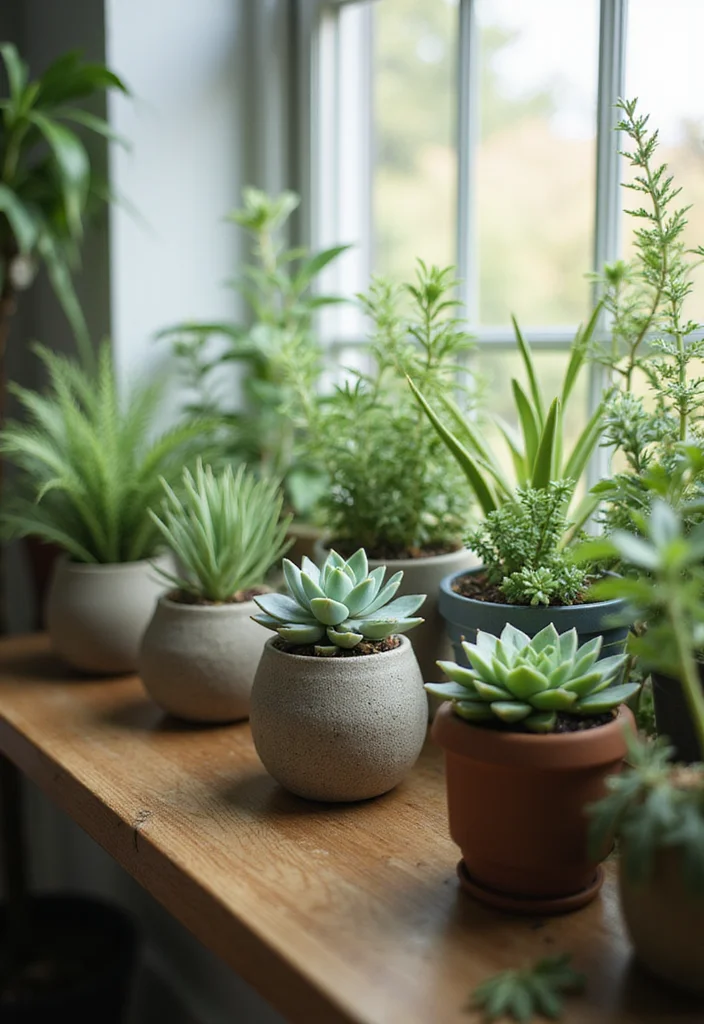
Grouping plants of similar types can create a striking visual impact that enhances your decor. Devote specific areas to particular plant styles, such as a succulent corner or a lush tropical zone filled with palms and ferns. This approach not only provides a cohesive look but also simplifies care routines, as plants in the same group often share similar light and water needs.
Consider varying heights and shapes within your groupings to add interest to your displays. Choosing complementary pots can further enhance the unified appearance of your plant collection.
Here are some tips for effective grouping:
– Use tiered plant stands to showcase different varieties together.
– Select pots that enhance the overall aesthetic of the grouping.
– Experiment with mixing leaf shapes and sizes for added visual interest.
Grouping plants effectively not only creates a beautiful arrangement but also makes caring for them more manageable.
8. Play with Color and Textures
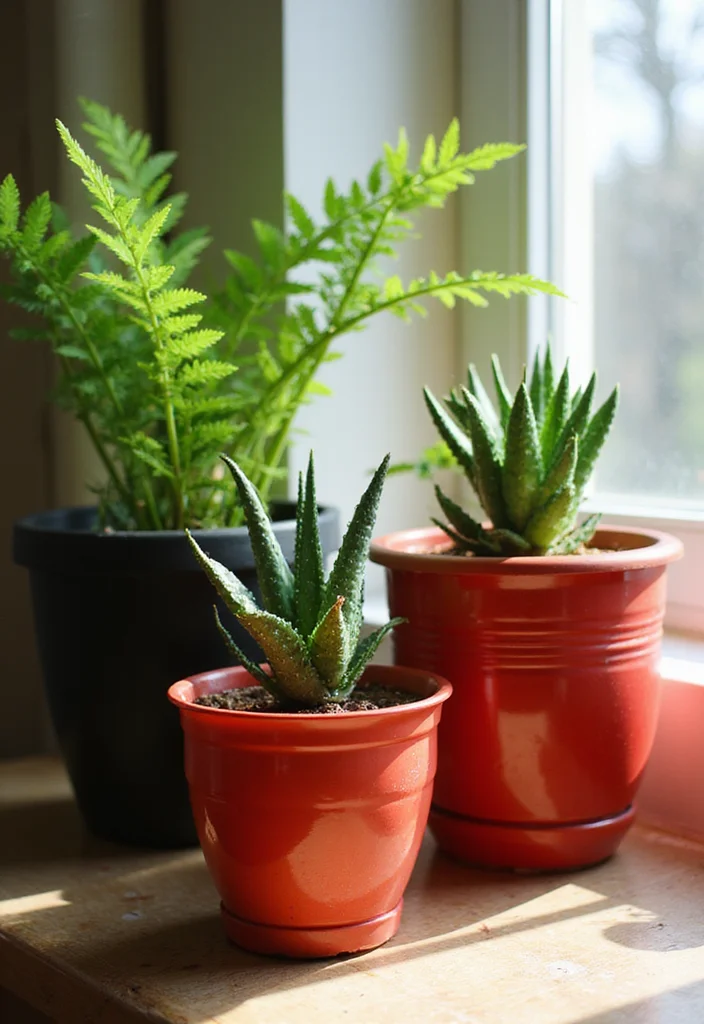
Mixing colors and textures can invigorate your indoor plant decor and make it more visually appealing. Choose colorful pots or plants with unique leaf patterns to create a lively atmosphere. A vibrant red pot can provide stunning contrast against lush green foliage, while combining plants with various textures—from the smooth leaves of a rubber plant to the feathery fronds of a fern—adds dynamism to your display.
Using a mix of shiny and matte finishes for your pots can elevate your design and create visual intrigue. This thoughtful layering of colors and textures transforms your space into a vibrant sanctuary.
Here are some ideas for playing with color and texture:
– Use complementary colors to make plants pop in your decor.
– Vary textures to add depth and warmth to arrangements.
– Experiment with colored stones or gravel around pots for added visual flair.
By skillfully mixing colors and textures, you can cultivate a lively and inviting indoor environment.
9. Use Plant Care Stations
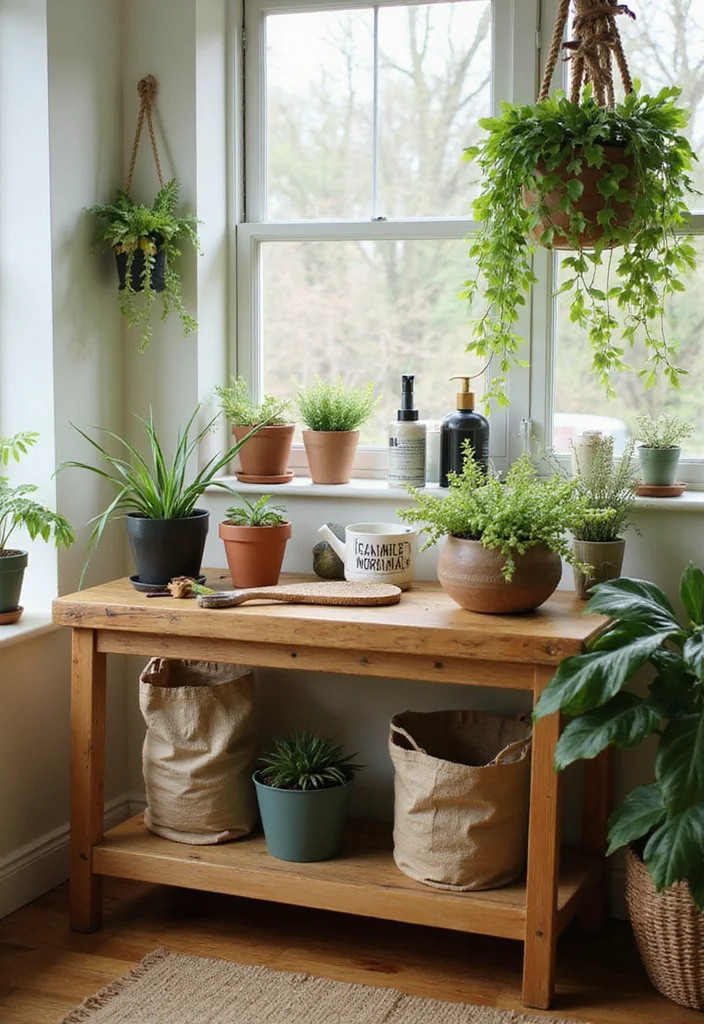
Establishing a plant care station not only keeps your plants thriving but also serves as a stylish decor feature. Dedicate a small table or corner for your plant care essentials—such as pots, soil, watering cans, and tools—neatly organized in decorative containers. Adding a few easy-care plants like pothos in this area keeps the space vibrant and lively.
By integrating your plant care routine into your decor, you create a functional yet aesthetically pleasing area that enhances your home. This makes caring for your plants a seamless part of your daily life.
Consider these tips for creating an effective care station:
– Incorporate attractive storage solutions for pots and tools.
– Use a small shelving unit to display tools alongside plants.
– Add a chalkboard for reminders regarding plant care.
By creating a dedicated plant care station, you’re not only promoting plant health but also adding a touch of sophistication to your living space.
10. Add Natural Light Sources
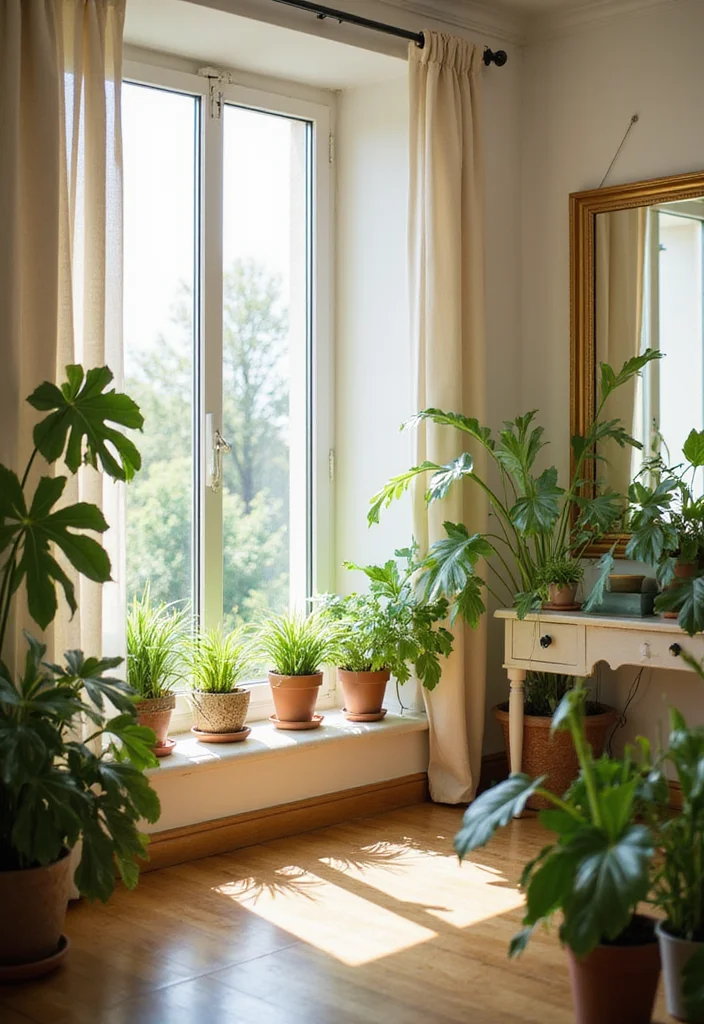
Natural light is essential for plant health and can significantly enhance your indoor decor. Position your plants near windows or open areas where they can absorb sunlight, but be cautious of direct exposure that may scorch certain varieties. If natural light is limited, consider using eco-friendly grow lights to replicate sunlight.
Incorporating mirrors into your decor can reflect light and create a sense of space, allowing more light to reach your plants. This not only benefits their growth but also brightens your overall interior design.
Here are some tips for maximizing natural light:
– Use sheer curtains to diffuse harsh sunlight while still allowing ample light.
– Position plants at varying heights near windows for added interest.
– Frame plants with light-colored walls to enhance their appearance.
Ensuring your plants receive adequate natural light not only promotes their health but also elevates the ambiance of your home.
11. Incorporate Art and Decor
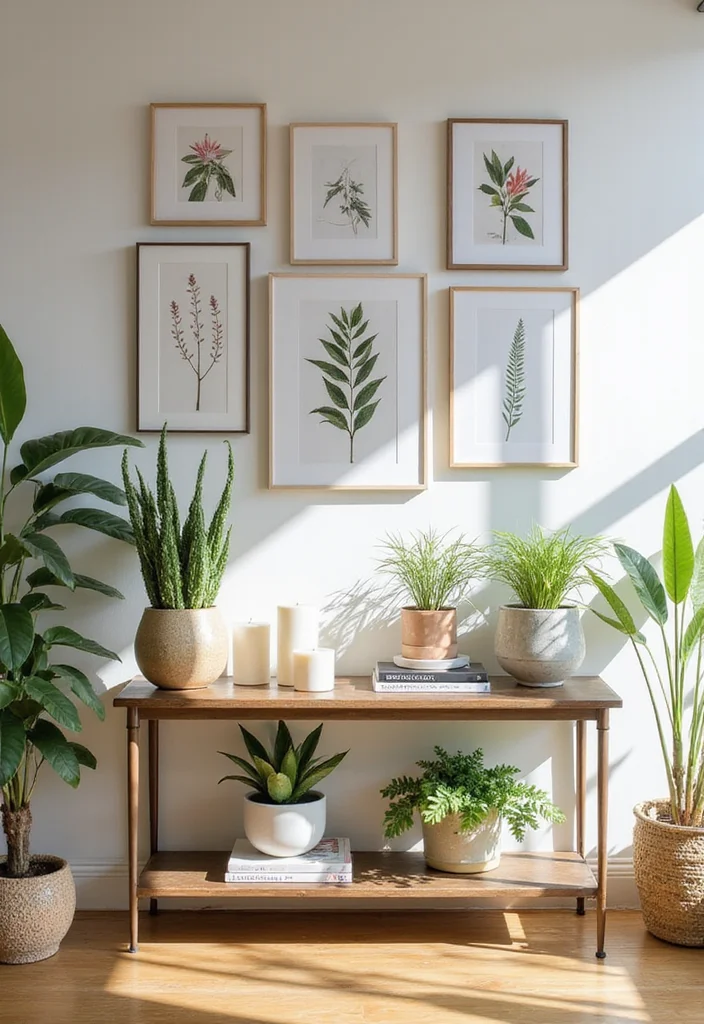
Integrating wall art or decorative pieces into your plant arrangements can create a unique and personalized atmosphere. Position artwork behind plant displays or hang pieces that complement the colors of your plants for a cohesive look. Adding decorative items like candles or books surrounding your plants enriches the overall aesthetic.
This thoughtful approach connects your plants to the broader decor theme, making your space feel curated and intentional. It allows for a beautiful interplay between nature and art, enhancing the visual experience.
Explore these ideas for incorporating art into your plant displays:
– Use botanical prints to connect art with nature.
– Create a gallery wall combining frames and plants for a cohesive statement.
– Select decorative items that complement your plants’ colors and textures.
By integrating art into your plant arrangements, you create a vibrant, personalized space that reflects your style.
12. Consider Seasonal Changes
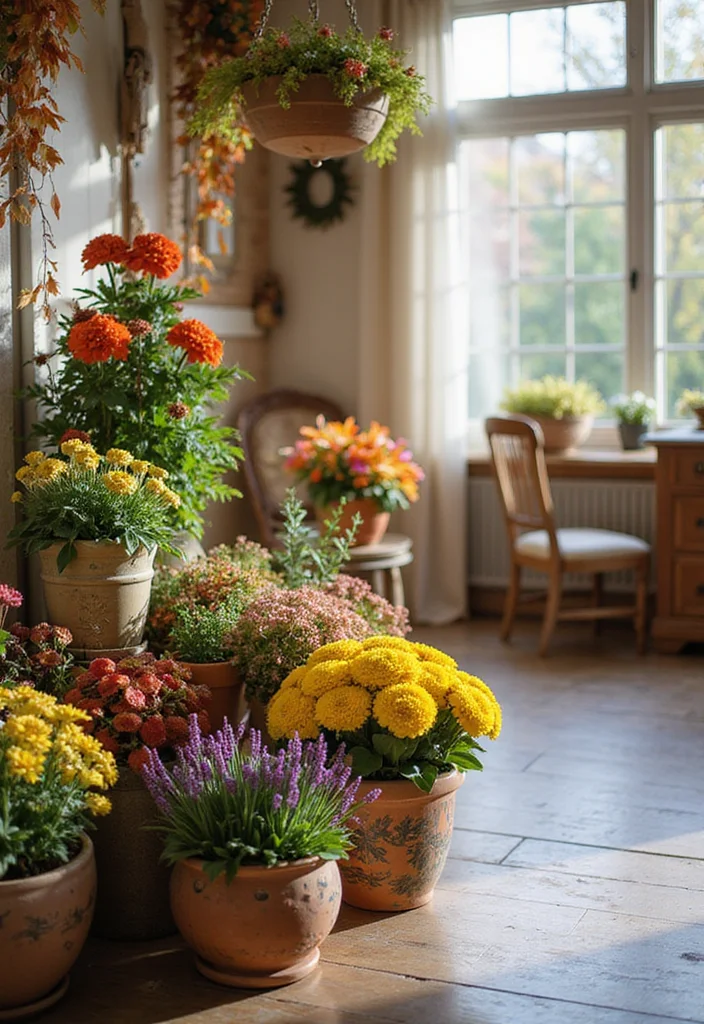
Your indoor plant decor can evolve with the seasons, introducing freshness and variety to your space. Rotating your plant displays according to the time of year can keep your home vibrant. For example, bright flowers can enliven your decor in spring, while warm-toned foliage can create a cozy ambiance in the fall.
Switching pots or adding seasonal decor, like festive ornaments or autumn leaves, keeps your indoor environment feeling welcoming and fresh. This approach makes it easy to celebrate the changing seasons within your home.
Consider these tips for seasonal changes:
– Use seasonal plants, like poinsettias for winter or vibrant annuals for summer.
– Swap out decorative items to align with seasonal color palettes.
– Create a rotating display that highlights different plants throughout the year.
Embracing seasonal changes in your plant decor not only keeps your space dynamic but also celebrates the beauty of nature year-round.
13. Embrace Minimalism
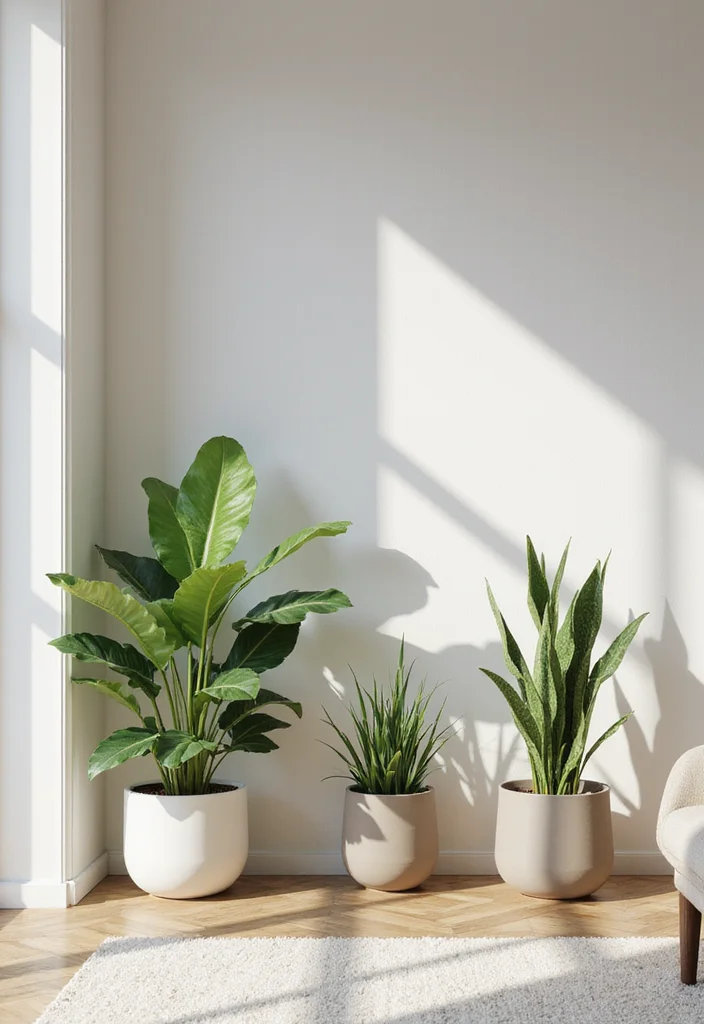
Sometimes, less truly is more when it comes to plant styling. Adopting a minimalist approach can keep your space uncluttered and sophisticated. Select a few carefully chosen plants that resonate with you, allowing them ample space to breathe and flourish.
Utilizing simple planters while avoiding overcrowding empowers each plant to shine. This technique not only fosters a serene environment but also creates a visually striking display, especially in modern decor.
Here are some minimalist styling tips:
– Choose plants with bold shapes or colors for impactful statements.
– Use a white or neutral palette to make green plants stand out.
– Minimize decorations to let your plants take center stage.
By embracing minimalism, you create a tranquil and uncluttered atmosphere that highlights the beauty of your plants.
Conclusion
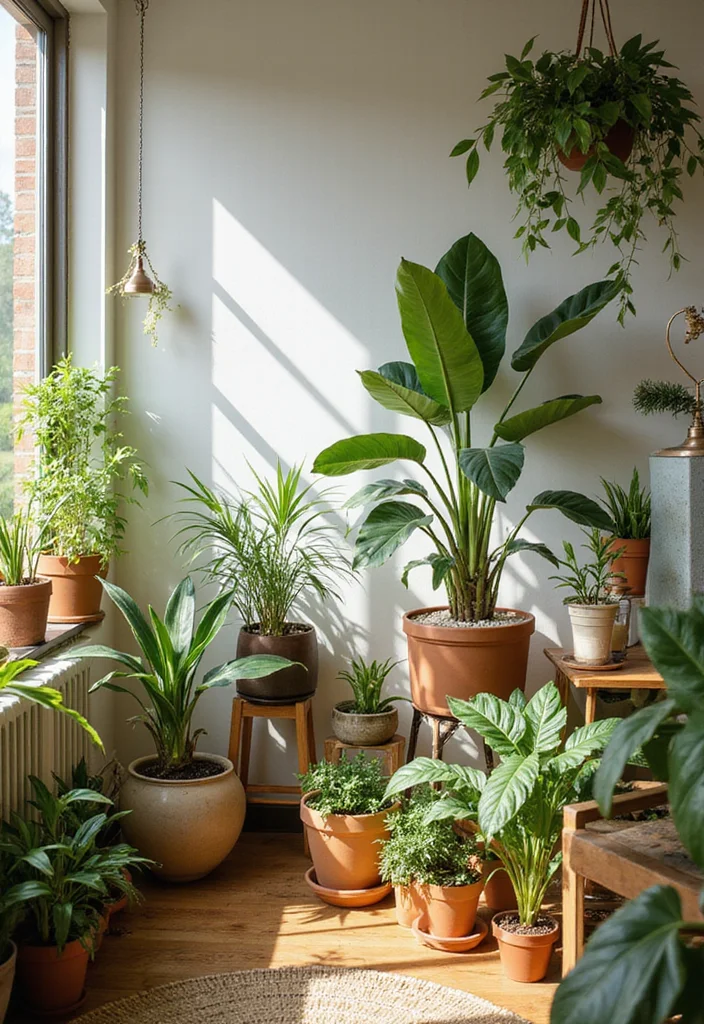
Transforming your home into a green oasis doesn’t have to be complicated. With these 13 indoor plant styling tips, you can elevate your decor and create an inviting atmosphere that makes your guests green with envy.
Now it’s time to let your creativity flourish and create a space that reflects your personality while welcoming nature into your home.
Frequently Asked Questions
What are the essential Indoor Plant Styling Tips to elevate my living space?
Here are practical Indoor Plant Styling Tips to elevate your space without a full makeover.
First, choose plants with complementary colors and textures, then group them in odd numbers (3 or 5) to create a natural, curated vignette. Layer heights using plant stands, shelves, and window sills for depth.
Pick pots and planters that echo your decor—matte ceramics, woven baskets, or metallic accents work beautifully—and let the containers contribute to the indoor vibes of the room. Finally, balance light and space: avoid crowding, rotate lighting if possible, and give each plant room to breathe. These simple steps are a good start for Indoor Plant Styling Tips that guests will notice.
How do I choose plants and plan layouts that match my decor style?
To match your decor style, start by assessing your space’s vibe. Minimalist rooms pair well with sculptural plants like a snake plant or ZZ that have clean lines; boho looks shine with lush palms and trailing vines; coastal schemes glow with airy greens and blue-toned pots.
Consider light, pets, and humidity; select plants that fit those conditions and your lifestyle. Use decor tips such as color-coordinated pots, consistent pot heights, and a single unifying material to unify the display. The goal is a cohesive look that enhances your indoor vibes while staying easy to care for. For a quick start, choose one focal plant and build around it with a couple of supporting greens.
What are budget-friendly ways to style indoor plants without sacrificing impact?
Going budget-friendly? You can achieve big impact with affordable tricks. Start with upcycled containers, thrifted planters, and a simple tray to group several plants. Use books or risers to vary heights, and add DIY plant hangers or twine to create vertical interest—no designer price tags required.
Mix textures and green shades to create depth, and rely on a few star plants to anchor your look. This is a practical way to apply Indoor Plant Styling Tips without breaking the bank, and it ties in nicely with standard decor tips for a polished look.
Remember, the impact comes from thoughtful placement and repetition of color and shape, not from buying all new items.
How can I arrange plants to maximize light and create better indoor vibes?
Arrange with light in mind: start with a focal point plant near a window and build a backdrop of taller plants to frame the space. Place shorter, trailing plants in front to soften edges and draw the eye. Use varying heights with purpose, and leave negative space so each plant has room to breathe. Mirrors or light-colored walls help reflect natural light, making the display feel bigger and brighter. Keep a consistent color story in pots to reinforce your decor style and ensure the display feels intentional as part of your Indoor Plant Styling Tips.
How often should I care for and rotate my indoor plants to keep the styling fresh?
Care and rotation help your display stay vibrant: rotate plants every 2-4 weeks if they lean toward a single light source, or simply when you water to maintain even growth. Repot or refresh potting mix every 1-2 years or when roots appear, and prune dead leaves to maintain shape. Keep a simple care calendar so you don’t forget watering and feeding, and consider swapping in a new plant or pot to refresh the indoor vibes of the room. The result is a living display that stays cohesive and vibrant.
Related Topics
home decor
indoor plant styling
decor tips
modern aesthetics
beginner friendly
easy styling
green living
plant care tips
bohemian style
minimalist design
cozy vibes
trending decor