
If you’ve ever tried your hand at indoor gardening, you might know the struggle of keeping plants alive. Maybe you’ve had a few missteps, and now you cringe at the thought of being labeled a “plant killer.” Don’t worry; you’re not alone. This post is for anyone who loves the idea of lush greenery indoors but feels like they have a black thumb. The good news is that there are plenty of indoor plants that are incredibly forgiving and require minimal care.
Whether you’re a busy professional, a college student in a small apartment, or someone who simply wants to make their space more inviting, this guide is for you. You’ll discover 11 indoor plants that can thrive even in low light and with minimal watering. These plants won’t just sit there; they’ll also improve your air quality, making your home feel fresher and more vibrant.
By the end of this post, you’ll feel empowered to fill your space with greenery, regardless of your gardening skills. I’ve compiled a list of resilient plants that are easy to care for and perfect for your lifestyle. Get ready to bring home a bit of nature, even if you’re not a gardening expert!
Key Takeaways
– You’ll learn about 11 indoor plants that are extremely low-maintenance and almost impossible to kill.
– These plants are perfect for people with busy lives or those who lack gardening experience.
– Each plant not only beautifies your space but also helps improve air quality.
– Many of these plants can thrive in low light conditions, making them ideal for apartments or rooms with limited sunlight.
– Get practical tips on how to care for each plant, ensuring you keep them healthy and thriving.
1. Snake Plant (Sansevieria)
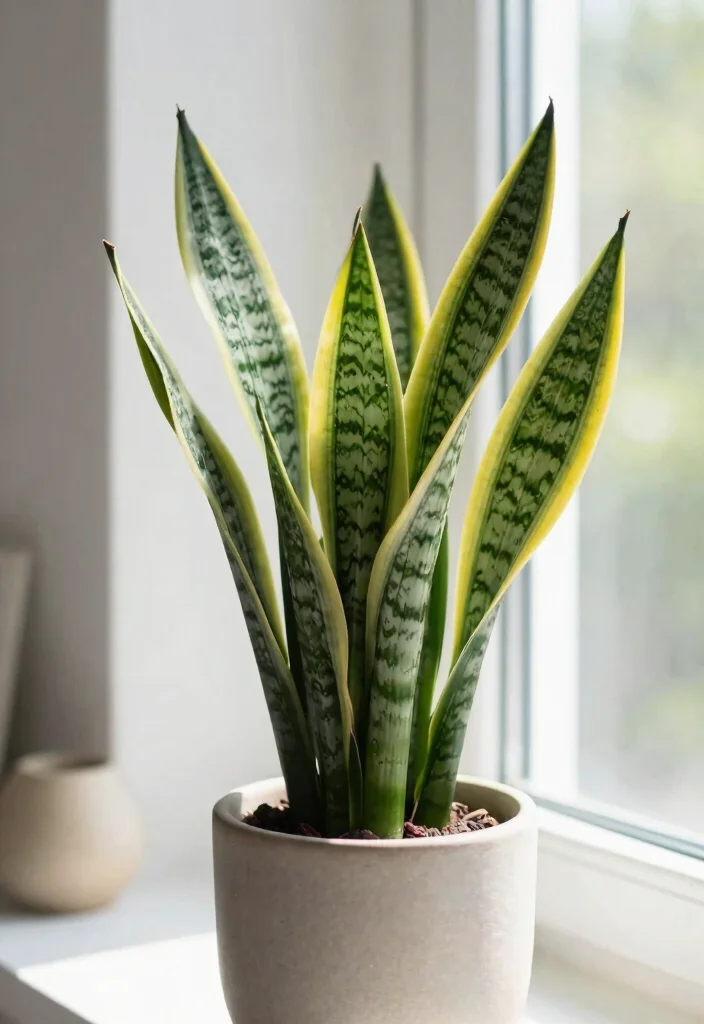
If you want a plant that truly thrives on neglect, look no further than the Snake Plant. With its tall, striking leaves, this resilient beauty adapts effortlessly to various lighting conditions, from bright sun to shady corners of your room. Not only is it visually appealing, it also purifies the air, making it a perfect companion for your bedroom or living space.
Taking care of a Snake Plant is simple: just let the soil dry out before the next watering. This low-maintenance plant is perfect for busy lifestyles or those new to gardening.
Essential care tips:
– Position in indirect light or low-light areas.
– Water every 2-6 weeks, based on humidity.
– Use well-draining soil to avoid root rot.
With its sculptural form, the Snake Plant adds a modern flair to your decor, effortlessly enhancing any style.
📹 Related Video: 10 Common Snake Plant Problems & How To Fix Them
2. ZZ Plant (Zamioculcas zamiifolia)
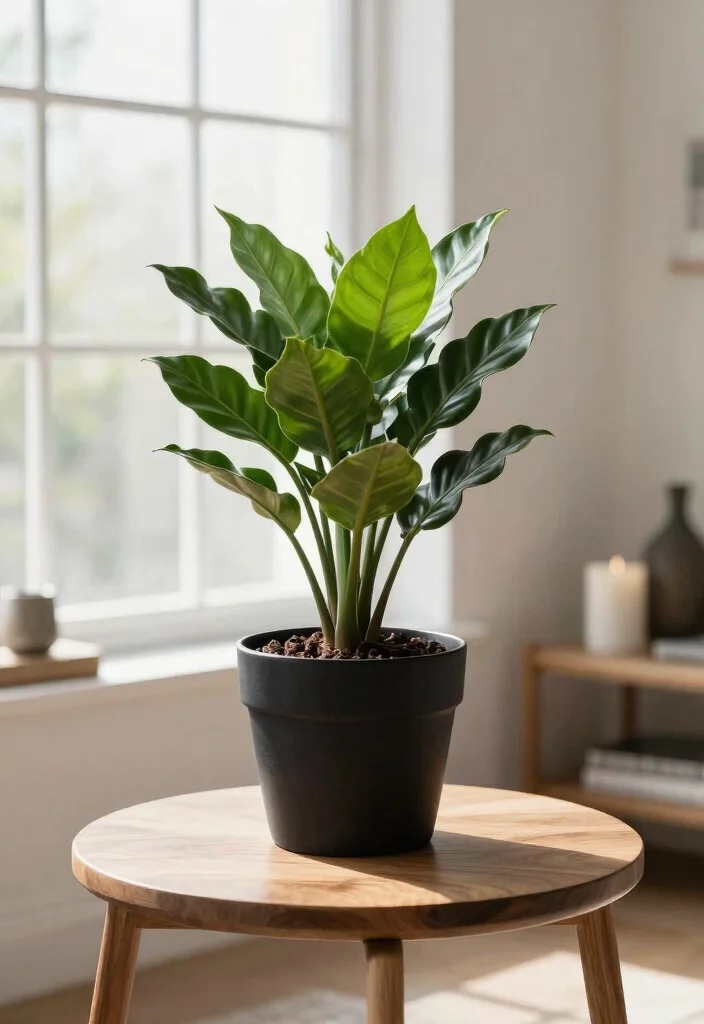
The ZZ Plant stands out for its glossy, dark green leaves that thrive on minimal care. This robust plant tolerates low light and irregular watering, making it ideal for anyone with a hectic schedule or just starting their plant journey. Its elegant appearance brings a touch of sophistication to your indoor environment.
What’s even better? The ZZ Plant is resistant to pests and diseases, making it a worry-free choice for your home. Forgetful about watering? No problem—this plant can handle weeks of drought without a fuss.
Care tips to keep in mind:
– Ideal for low to bright indirect light.
– Water when the top inch of soil is dry.
– Fertilize sparingly during the growing season.
With its striking design, the ZZ Plant enriches your indoor decor while ensuring you don’t need to fret over its care.
3. Pothos (Epipremnum aureum)
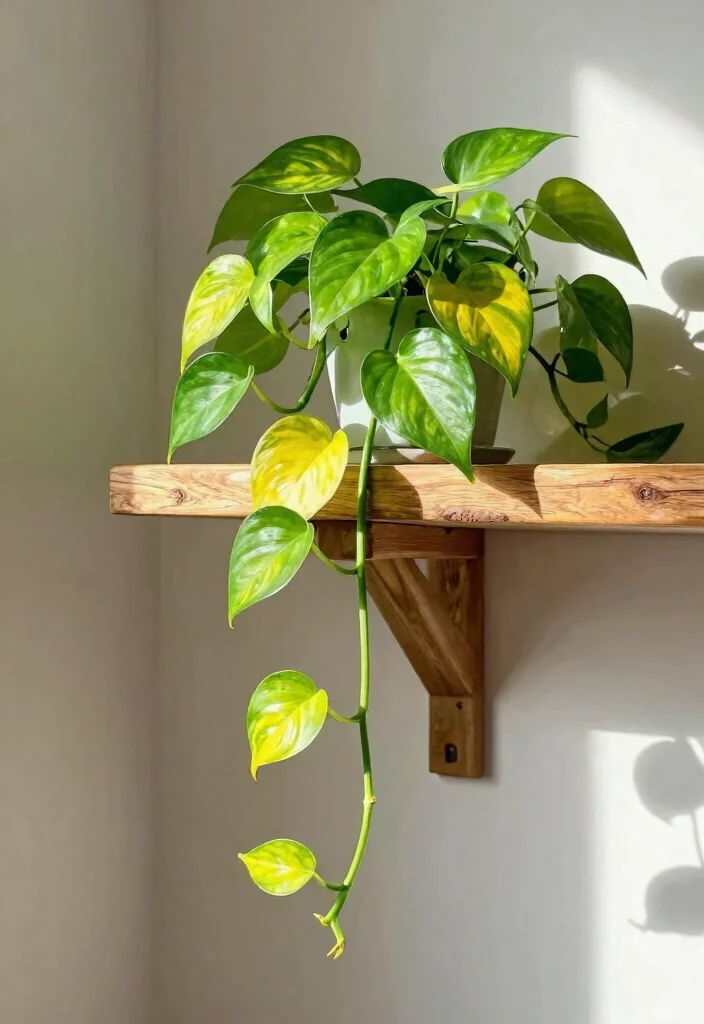
If you’re after a beautiful and easy-to-care-for indoor plant, the Pothos is a fantastic choice. Its trailing vines and heart-shaped leaves can brighten up any space, whether in hanging baskets or on shelves. This adaptable plant thrives in various lighting but favors indirect light for optimal growth.
Pothos is forgiving when it comes to watering; just let the top of the soil dry out before giving it a drink. Plus, it’s known for its excellent air-purifying qualities, adding to its appeal as a houseplant.
Key care tips include:
– Allow the soil to dry out between waterings.
– Tolerates low-light conditions but prefers bright, indirect light.
– Propagate easily from cuttings—place in water to root!
With its lush vines, the Pothos brings a tropical vibe to your home without any hassle.
4. Spider Plant (Chlorophytum comosum)
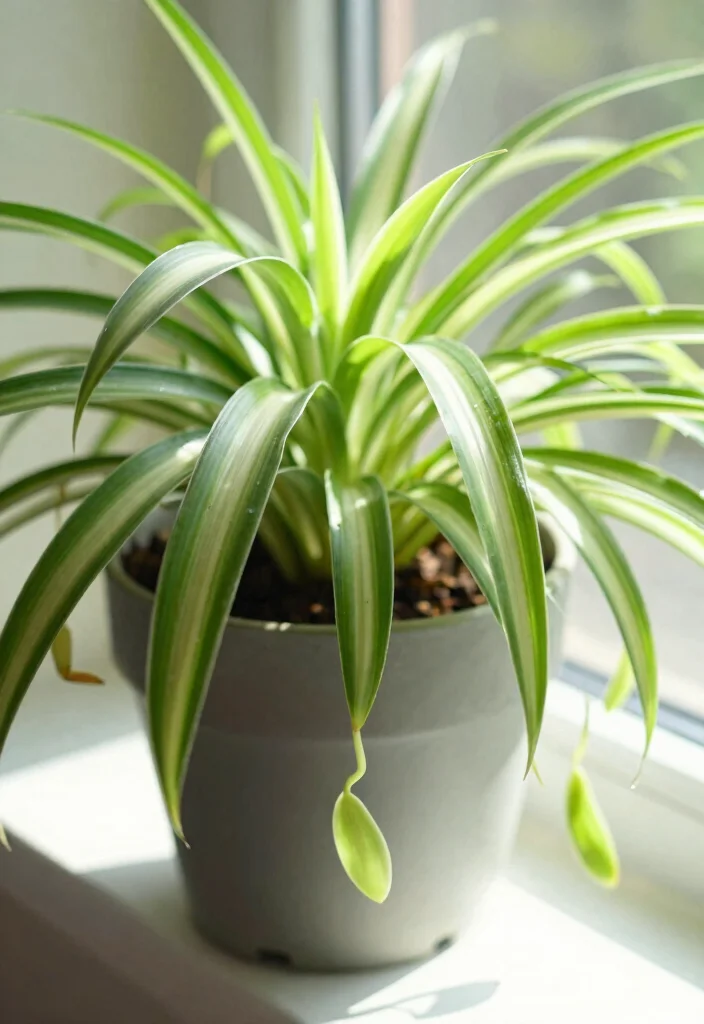
The Spider Plant is a beloved houseplant known for its easy care and charming appearance. Its arching green leaves and playful ‘baby’ plantlets make it a delightful addition to any home. While it thrives in bright, indirect light, it can also adapt to lower light conditions.
A unique feature of the Spider Plant is its ability to produce offshoots, making propagation a fun activity for plant enthusiasts. Additionally, it’s excellent at filtering indoor air, removing harmful pollutants like formaldehyde.
Essential care tips:
– Use well-draining soil and water when the top inch feels dry.
– Survives in various lighting conditions.
– Trim dead leaves regularly for optimal health.
With its lively design, the Spider Plant adds a cheerful touch to your home, making plant care enjoyable and stress-free.
5. Peace Lily (Spathiphyllum)
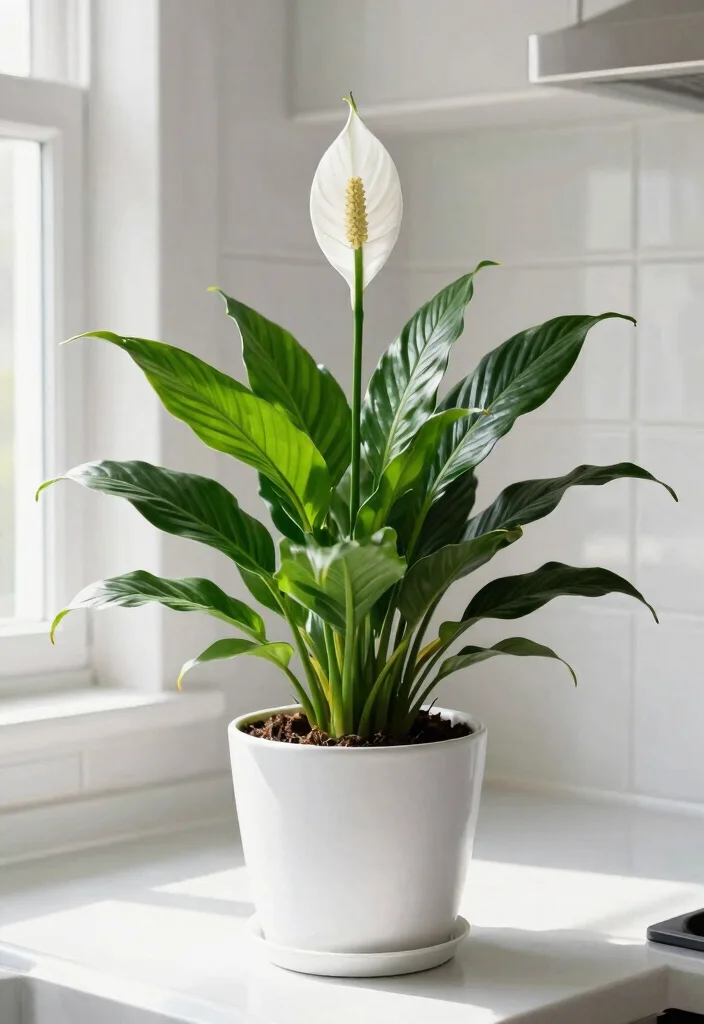
The graceful Peace Lily not only captivates with its stunning white blooms but also thrives in low-light areas, making it a favorite among plant lovers. This plant symbolizes tranquility, ideal for bedrooms or serene corners of your home.
Peace Lilies are forgiving when it comes to watering; when they start to droop, it’s time to give them a drink! They flourish in humid conditions, so placing them in kitchens or bathrooms can be beneficial.
Key care tips:
– Prefers low to bright indirect light.
– Water when leaves droop, avoiding waterlogged soil.
– Dust leaves occasionally to keep them clean.
This beautiful plant not only enhances your decor but also helps purify the air, creating a calming atmosphere in your home.
6. Rubber Plant (Ficus elastica)
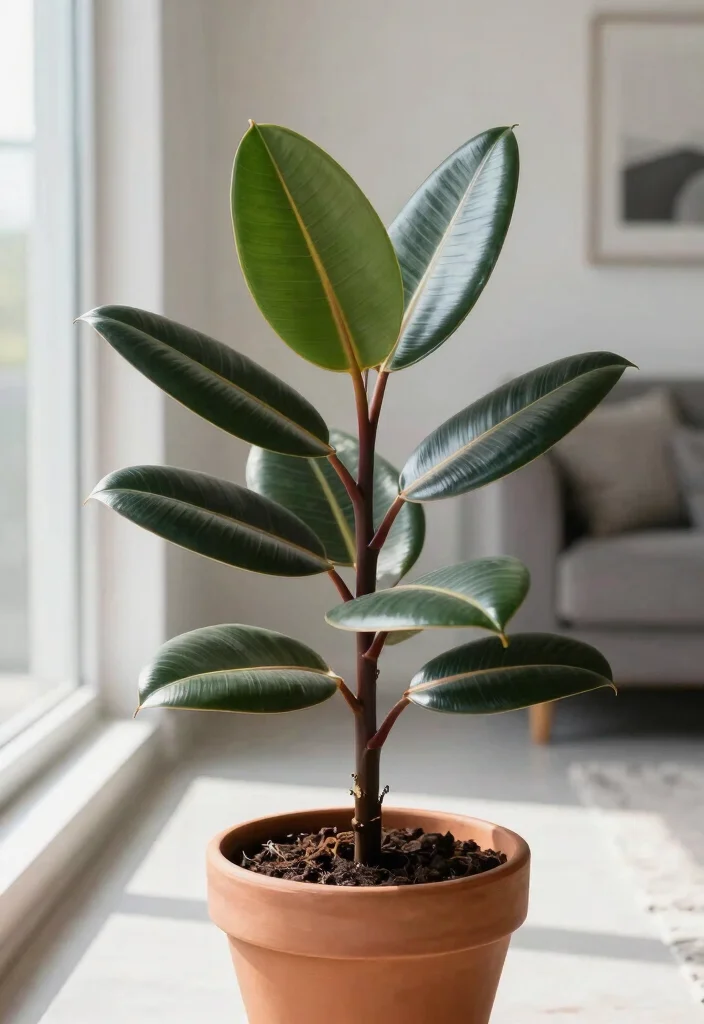
The stylish Rubber Plant features large, glossy leaves that lend a touch of elegance to any space. This resilient plant is perfect for those who might not have a green thumb, as it thrives with minimal care.
Rubber Plants do best in bright, indirect light but can adapt to shadier spots. They prefer moderate watering, allowing the soil to dry between waterings, and can grow tall, making them a striking focal point.
Key care tips:
– Keep in bright, indirect light; some shade is acceptable.
– Water when the top inch of soil feels dry.
– Dust leaves regularly to maintain their shine.
With its dramatic look, the Rubber Plant transforms your indoor garden into a chic and sophisticated space without demanding too much attention.
7. Dracaena (Dracaena spp.)
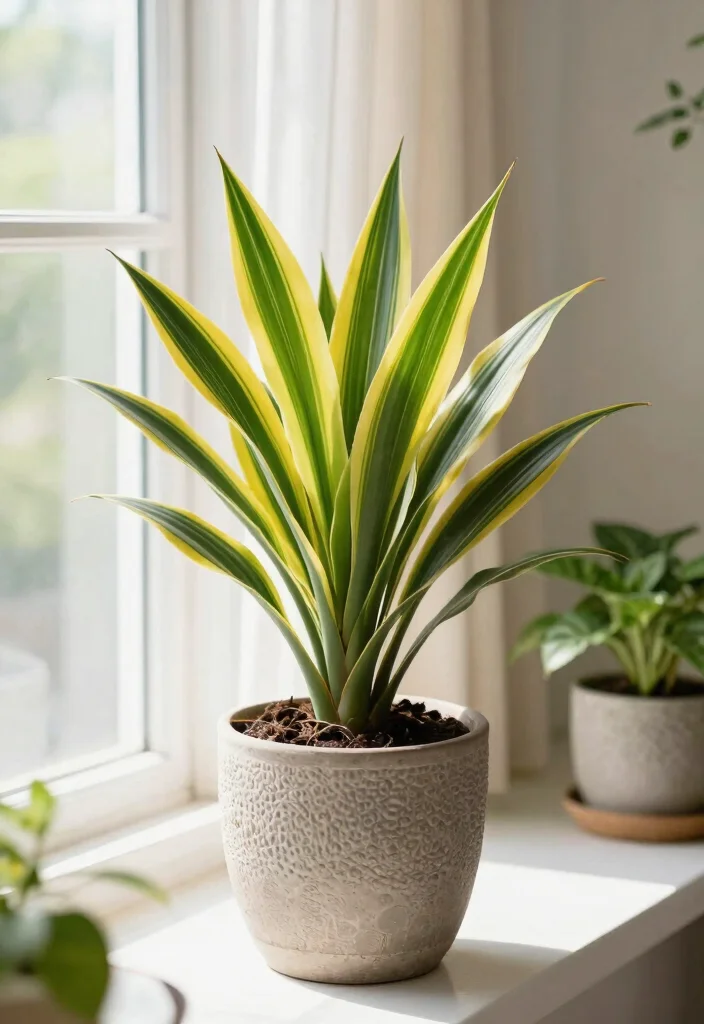
The Dracaena species encompasses many attractive varieties that are as resilient as they are beautiful. With their long, ribbon-like leaves featuring unique colors and patterns, these plants make a stunning addition to your indoor space without requiring extensive care.
Dracaenas prefer bright, indirect light but can also adapt to lower light settings. They’re excellent at purifying indoor air, making them suitable for homes and offices. Water sparingly, and watch for browning leaf tips as a sign of thirst.
Essential care tips:
– Ensure well-draining soil and avoid overwatering.
– Position in bright, indirect light for best results.
– Wipe leaves with a damp cloth to keep them clean.
With their diverse shapes and heights, Dracaenas bring greenery and visual interest to any indoor environment.
8. Cast Iron Plant (Aspidistra elatior)
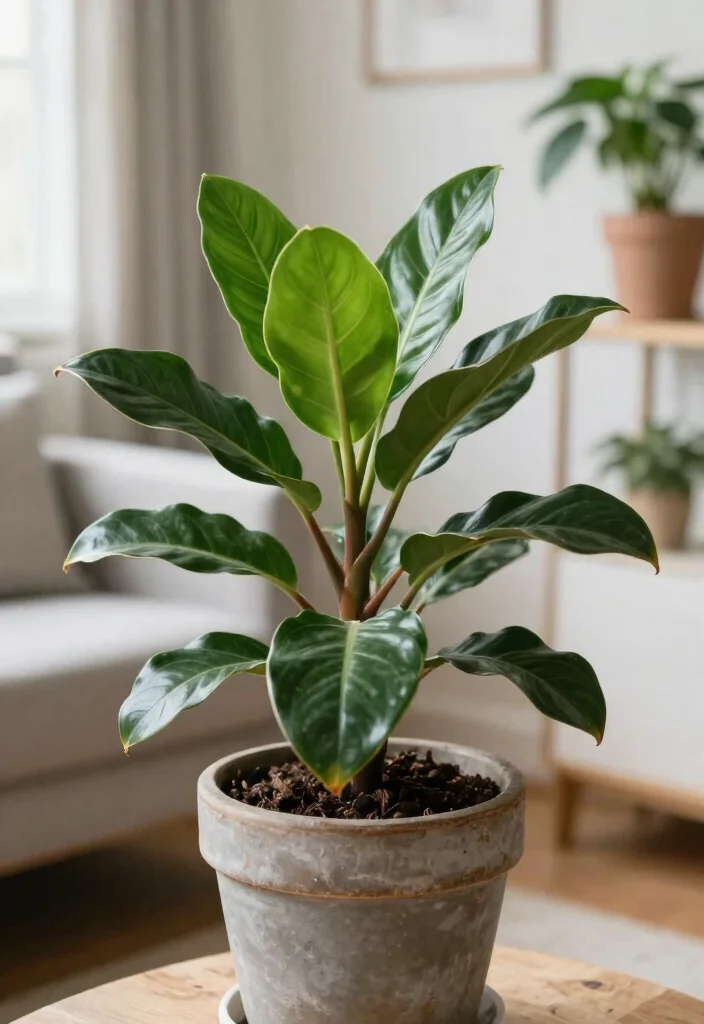
True to its name, the Cast Iron Plant is incredibly hardy and durable. This plant thrives in low light and high humidity, making it perfect for beginners or those who may forget to water occasionally. Its lush, deep green leaves add a beautiful touch to any room.
Ideal for dim corners, this plant is nearly indestructible, making it a go-to choice for those starting their indoor garden.
Key care tips:
– Allow the soil to dry out between waterings.
– Prefers low light but enjoys indirect sunlight.
– Fertilize sparingly during the growing season.
The Cast Iron Plant is a resilient addition to your home, providing effortless greenery while enhancing your indoor air quality.
9. Parlor Palm (Chamaedorea elegans)
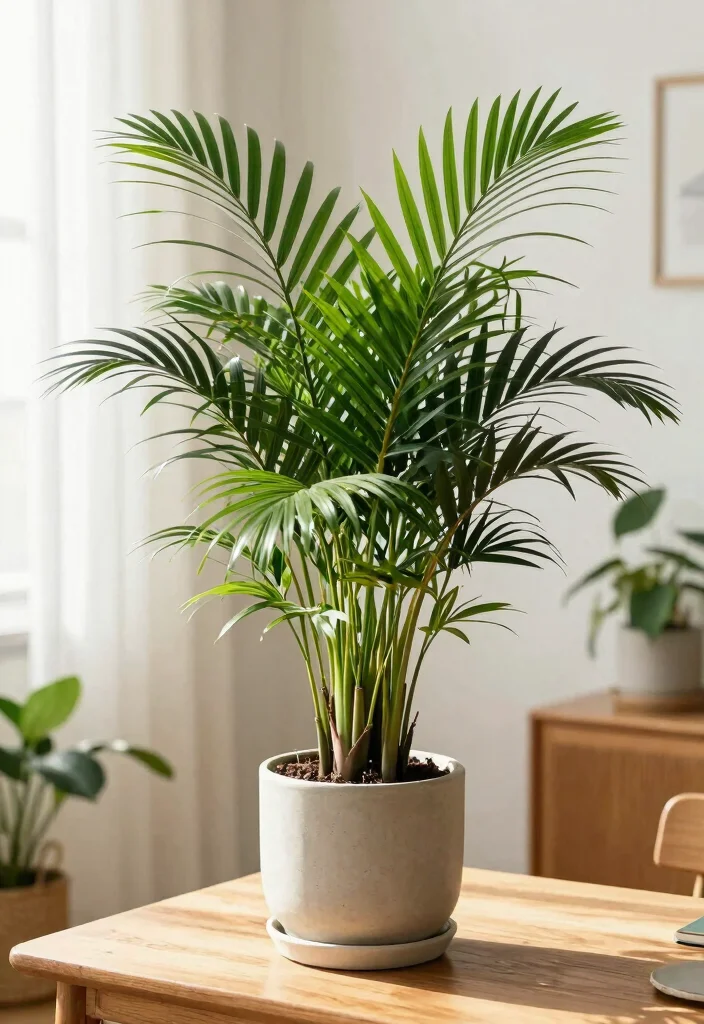
The delightful Parlor Palm is an adored houseplant that can uplift any room with its elegant, feathery fronds. This forgiving palm thrives in low light, adding a tropical feel to your indoor spaces.
As a slow grower, the Parlor Palm is perfect for those who want greenery without the upkeep hassle. It prefers to dry out a bit between waterings, allowing for less frequent care.
Key care tips:
– Best suited for low to medium light conditions.
– Water when the top inch of soil feels dry.
– Mist occasionally to keep leaves healthy.
Adding a Parlor Palm to your home not only beautifies your space but also introduces a touch of the tropics, even in the coziest corners.
10. Chinese Evergreen (Aglaonema)
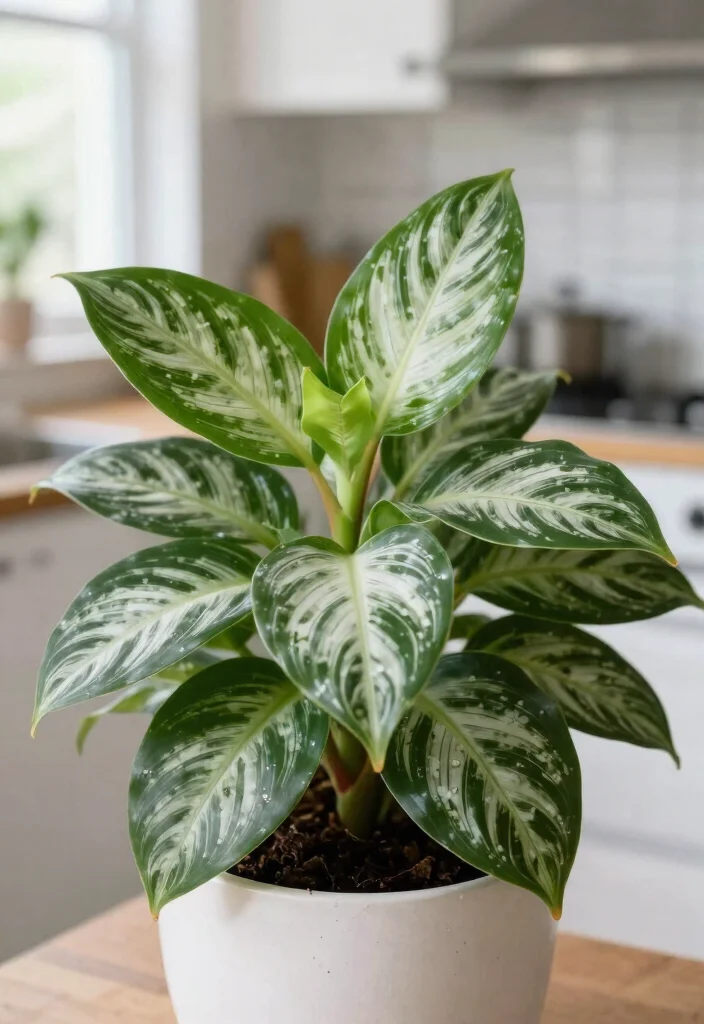
The stunning Chinese Evergreen is admired for its beautifully patterned leaves in vibrant shades of green, silver, and red. Not only does it add a splash of color to your indoor environment, but it is also incredibly easy to care for, making it ideal for beginners or busy individuals.
Chinese Evergreens thrive in low to moderate light and prefer to dry out slightly between waterings. They enjoy humid conditions, so consider placing them in bathrooms or kitchens for the best growth.
Essential care tips:
– Water when the top inch of soil is dry.
– Keep in low to moderate light, avoiding direct sunlight.
– Wipe leaves to prevent dust buildup.
With its unique foliage, the Chinese Evergreen enhances your indoor garden with minimal upkeep, bringing beauty and life to your space.
11. Aloe Vera
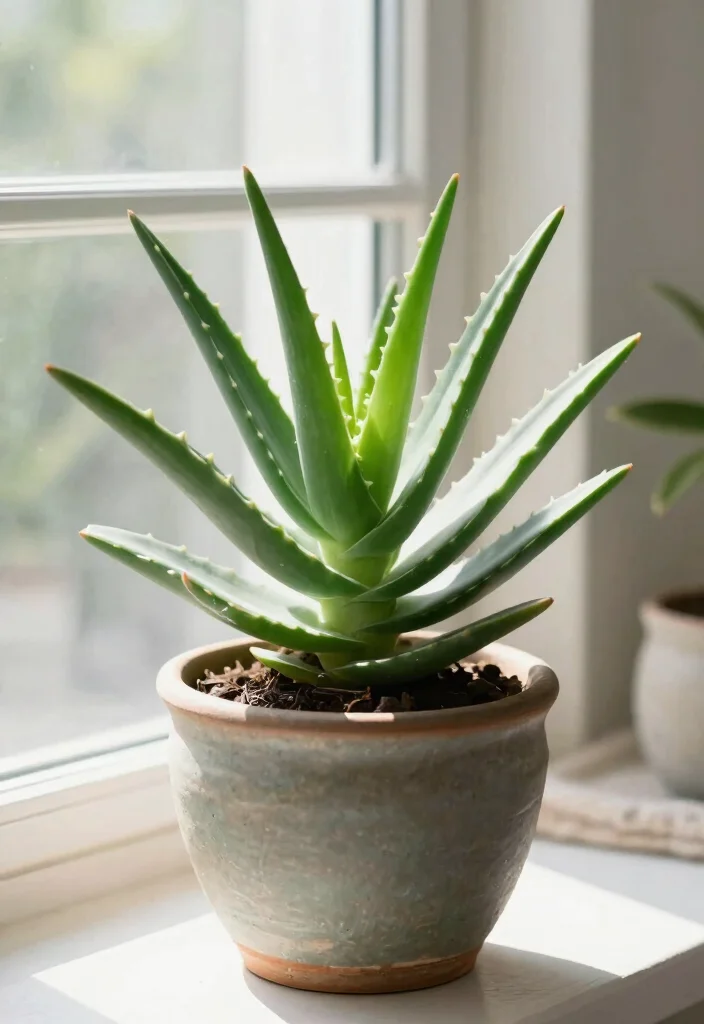
The versatile Aloe Vera plant is not only known for its medicinal benefits but also makes a wonderful addition to your indoor collection. With thick, fleshy leaves that retain moisture, Aloe Vera is incredibly low-maintenance and thrives in bright, indirect light.
This succulent is perfect for those who prefer a plant that requires minimal watering—only when the soil is completely dry. Beyond its aesthetic appeal, Aloe Vera’s gel is great for treating burns and skin irritations, making it a practical choice for any home.
Key care tips:
– Keep in bright, indirect light or direct sunlight.
– Water deeply but infrequently, allowing the soil to dry completely.
– Repot every few years as it grows.
With its elegant presence and health benefits, Aloe Vera is an essential plant for any indoor garden.
Conclusion
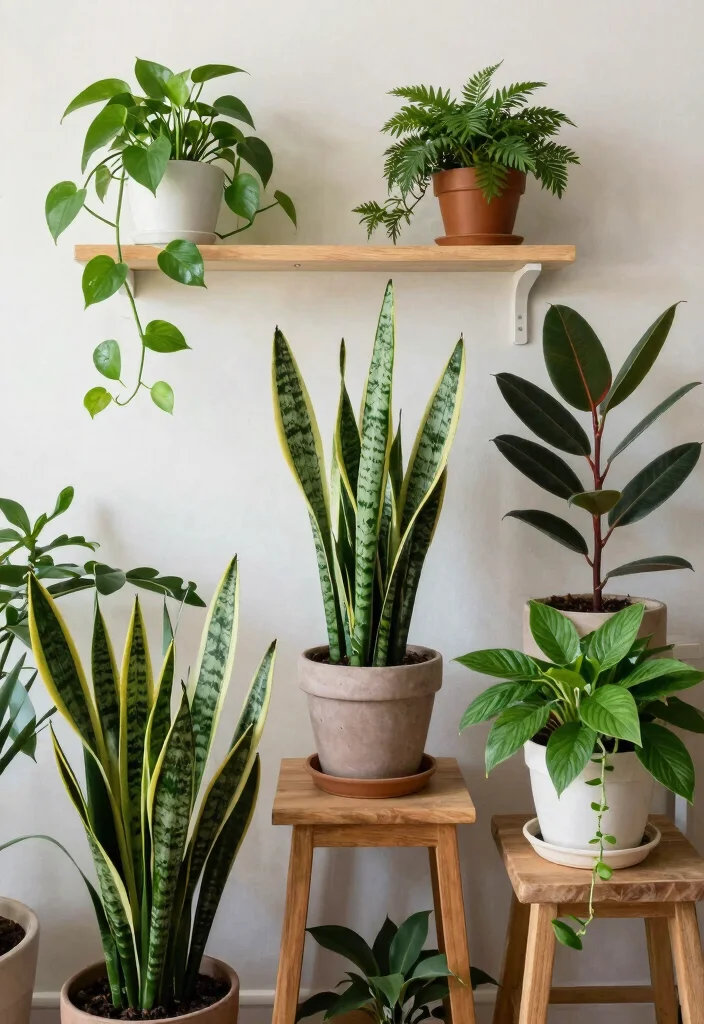
Indoor gardening doesn’t have to be daunting, especially with these resilient plants that practically take care of themselves. From the elegant Pothos to the striking Rubber Plant, each of these indoor plants adds a unique touch to your space while improving air quality and soothing your mind.
So, whether you’re looking to beautify a room, improve air quality, or just bring a bit of nature inside, these plants are perfect for anyone, even those with a black thumb! Start your indoor garden journey today with these easy-care companions that promise to flourish with little effort.
Frequently Asked Questions
Which indoor plants are the easiest to care for, especially if you have a black thumb and low light?
You’re not alone—these forgiving indoor plants thrive on minimal attention. Great options include snake plant, pothos, ZZ plant, and spider plant. They tolerate low light and infrequent watering. To set them up for success: use a pot with drainage and well-draining soil, water only after the top inch of soil dries, wipe dust from leaves every few weeks to keep photosynthesis humming, and rotate plants monthly for even growth. Start with one to build confidence, then add more as you learn their quirks.
Do indoor plants really improve air quality, and which ones are best for this?
Yes—these plants can contribute to modest air quality improvements and a touch of humidity in the right spaces. In practice, choose a few champions like snake plant, spider plant, and peace lily to place in living areas or bedrooms. For best effect, group plants together, dust the leaves regularly to keep absorption efficient, and ensure there’s some fresh air circulating. While one plant won’t overhaul a room, collectively they help your air quality in a noticeable, pleasant way.
How often should I water and feed these plants for best results in low-light homes?
With indoor plants in low-light spaces, you’ll generally water less often—wait until the top inch of soil is dry before watering again. Water deeply until water drains from the bottom, then discard any excess to avoid soggy roots. Feed lightly in the growing season (spring and summer) with a balanced liquid fertilizer at quarter to half strength every 4–6 weeks; in fall and winter, reduce or skip feeding as growth slows. Simple, steady care keeps your plants thriving without guesswork.
Can these plant survivors thrive under artificial light or only with natural light?
Many forgiving indoor plants can cope with artificial light, but most still benefit from some natural light or a proper grow light. If your rooms rely on artificial lighting, use a full-spectrum LED or fluorescent grow light and place plants within 2–3 feet of it. Favor varieties known for low light tolerance like snake plant, pothos, ZZ plant, or peace lily, and adjust placement based on leaf color and growth. With the right light setup, you can keep them thriving year-round.
What practical tips help keep these indoor plants healthy when you travel or have a busy schedule?
Plan ahead with simple routines: water deeply a day or two before you leave, group plants to share humidity, and add a light mulch layer to slow evaporation. Consider self-watering pots or a beginner-friendly watering stake for extra support, and if possible, set up a timer for any grow lights to maintain consistent care. These easy steps ensure your indoor plants stay vibrant even during busy weeks.
Related Topics
indoor plants
easy care
low light
air quality
beginner friendly
houseplants
black thumb
easy maintenance
home decor
trending plants
plant care tips
indoor gardening